
Citroën DS for sale
5 cars in stock right now, inspected in the European country where they are located, priced landed at a US port with the import paperwork done.
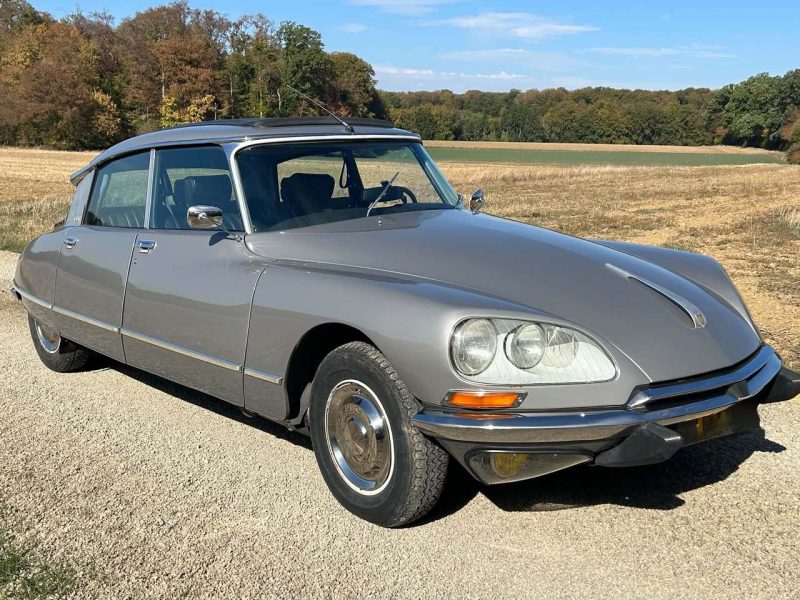
1974 Citroën DS 23 Pallas Injection
duty at rate in effect
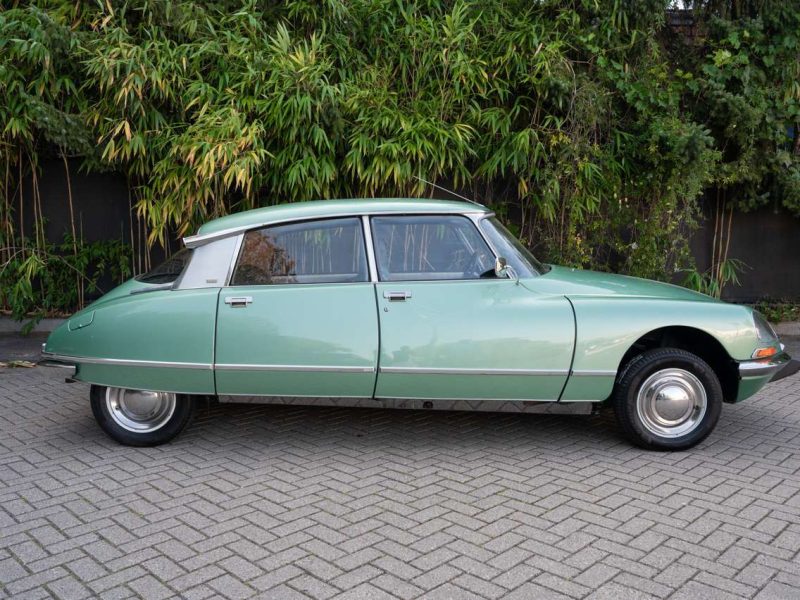
1974 Citroën DS 23 Pallas
duty at rate in effect
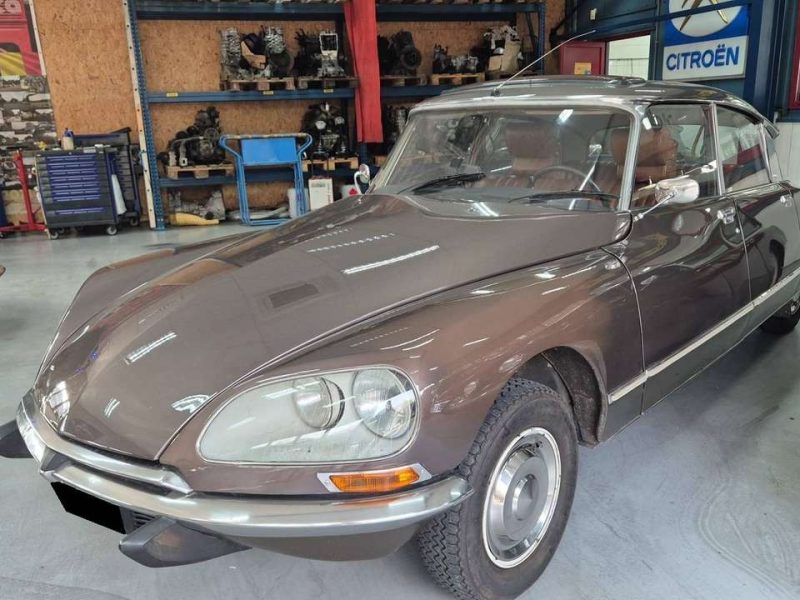
1973 Citroën DS 23 Injection Électronique Automatic
duty at rate in effect
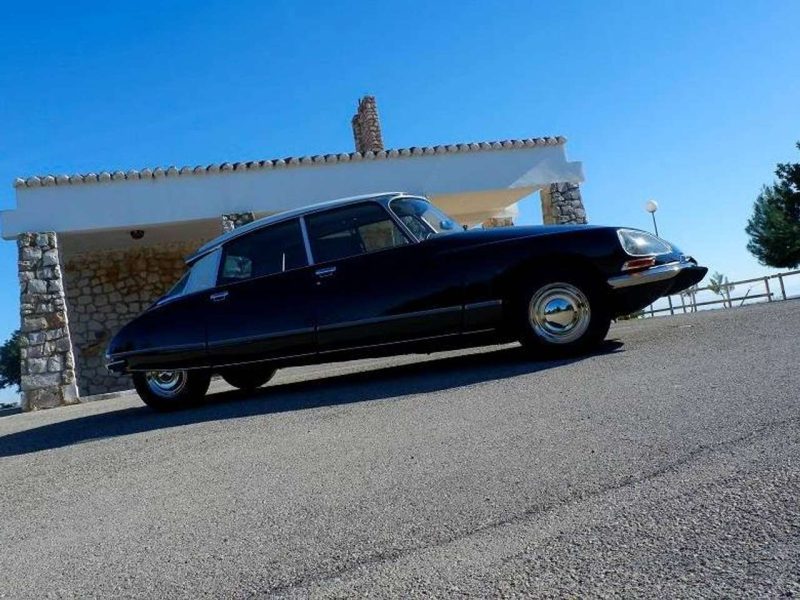
1972 Citroën DS 23 Pallas
duty at rate in effect
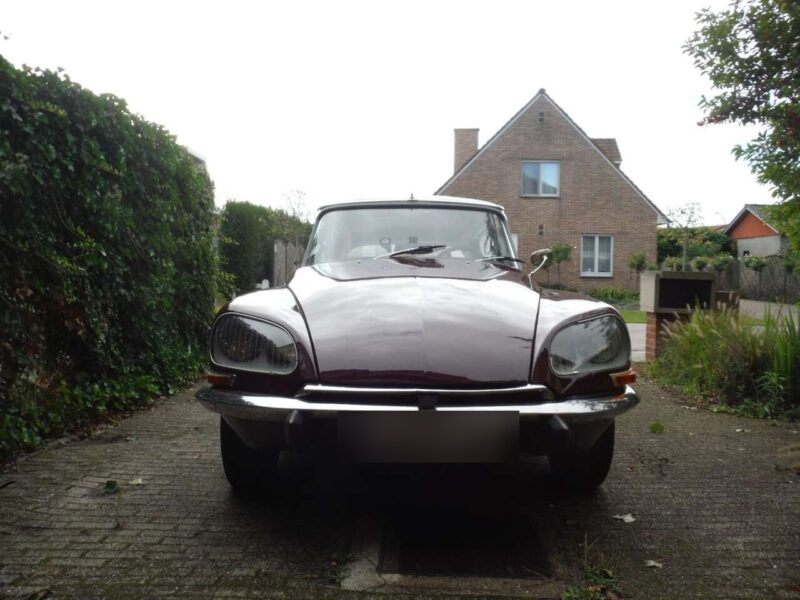
1971 Citroën DS 21 Pallas
duty at rate in effect
The Citroën DS (1955–1975) is the hydropneumatic saloon that made every other car of its generation look ordinary. Citroën sold the DS in the United States, but American cars had to run exposed sealed-beam headlights: the directional lights behind glass that arrived in 1967 were never allowed here, and Citroën left the US market in the early 1970s. Every DS is now more than 25 years old, so the European car can be imported as built.
Why Americans want it
Self-levelling suspension, powered brakes through a mushroom pedal, a body that comes apart in panels, and the 1967-on nose with four lights behind glass, the inner pair steering with the front wheels. The DS 23 injection of 1973–1975 is the fastest and the most sophisticated, and it was never a US-market car.
What the US never got
- The glass nose with directional headlights (from 1967). A federal rule in force from 1 January 1971 barred an exterior light steered from inside the car, and sealed beams were mandatory before that.
- The DS 23 and the DS 23 Injection Électronique (1972–1975), sold after Citroën had wound down its US operation.
- Pallas trim in its late European form, with the full brightwork and the better seats.
Eligible years (25-year rule)
Every DS is eligible now, from the 1955 cars to the last of 1975. The build month still has to be documented at entry.
What to look for
- Hydraulics: post-1967 cars use green LHM fluid; earlier cars use red LHS, which attacks seals when the two are mixed. We confirm which system a car has and that it has not been mixed.
- Rust: the chassis box sections under the sills, the suspension mounting points, the floors and the boot. The outer panels unbolt, so shiny paint tells you nothing.
- Gearbox: the hydraulic semi-automatic change needs correct adjustment; a manual car is simpler to live with.
- Brakes: the single-circuit cars and the high-pressure accumulator; spheres are a service item.
- Documents: chassis plate, EU registration, and a history of hydraulic work.
Typical landed price
Europe: roughly €12,000–€50,000, from an honest driver to a restored DS 23 Pallas Injection. Landed at Newark or Baltimore with duty at the rate in effect on entry: roughly $24,500–$80,500.
Registration notes
- California: a DS built in 1967 or earlier is outside the CARB direct-import referral; later cars need CARB lab certification, which is not guaranteed.
- Fuel: gasoline.
- Title: pre-1981 chassis number, not a 17-character VIN. US title from Salvage Motors LLC.
Our take
Buy on structure and hydraulics. A DS with sound chassis boxes and a documented hydraulic rebuild is worth far more than a repainted car with unknown history, and the European four-light nose is the version Americans cannot buy locally.
FAQ
Was the DS sold in the US?
Yes, but with exposed sealed-beam headlights and without the directional lights. Citroën ended US sales in the early 1970s.
Is a DS hard to maintain in the US?
The hydraulics are straightforward once understood, and parts supply from France and the Netherlands is excellent. There are specialists in most large US metros.
Manual or semi-automatic?
The manual is simpler. The hydraulic semi-automatic is part of the experience but wants a specialist who knows the adjustment.