
Citroën 2CV for sale
4 cars in stock right now, inspected in the European country where they are located, priced landed at a US port with the import paperwork done.
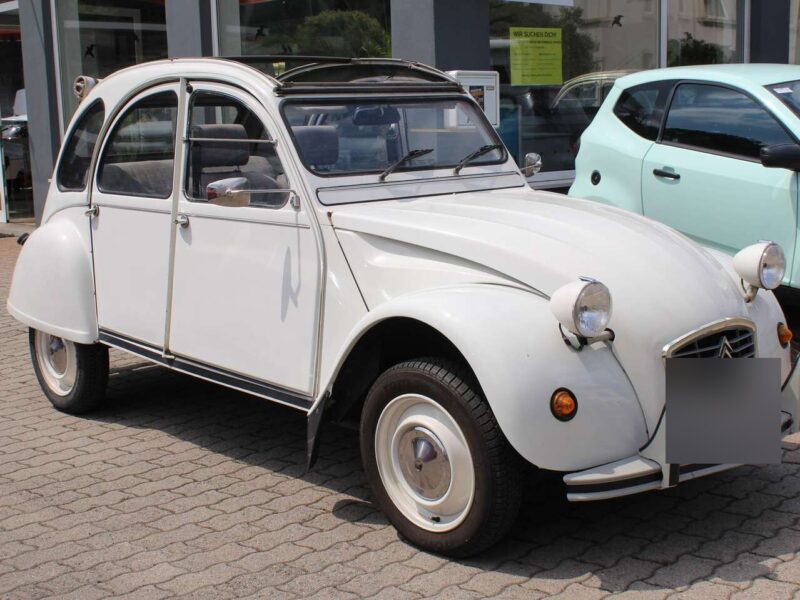
1990 Citroën 2CV6 Club
duty at rate in effect
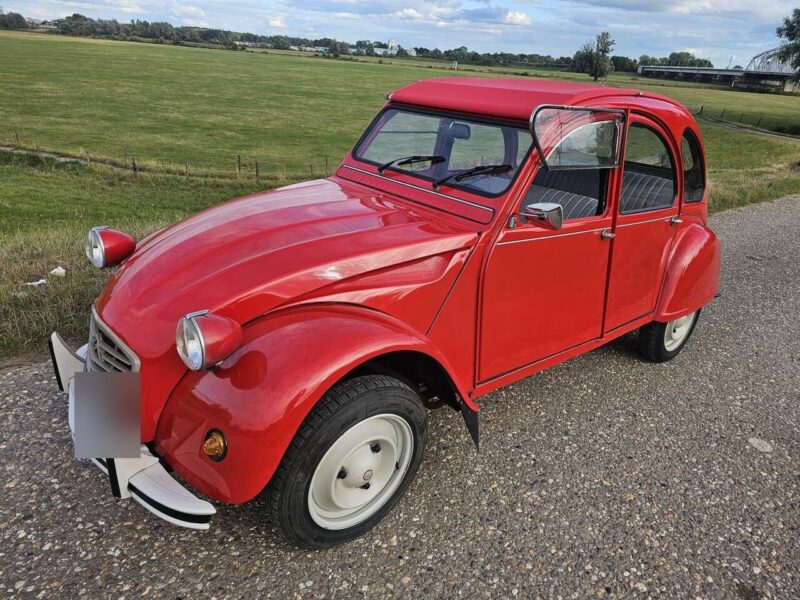
1985 Citroën 2CV6 Special
duty at rate in effect
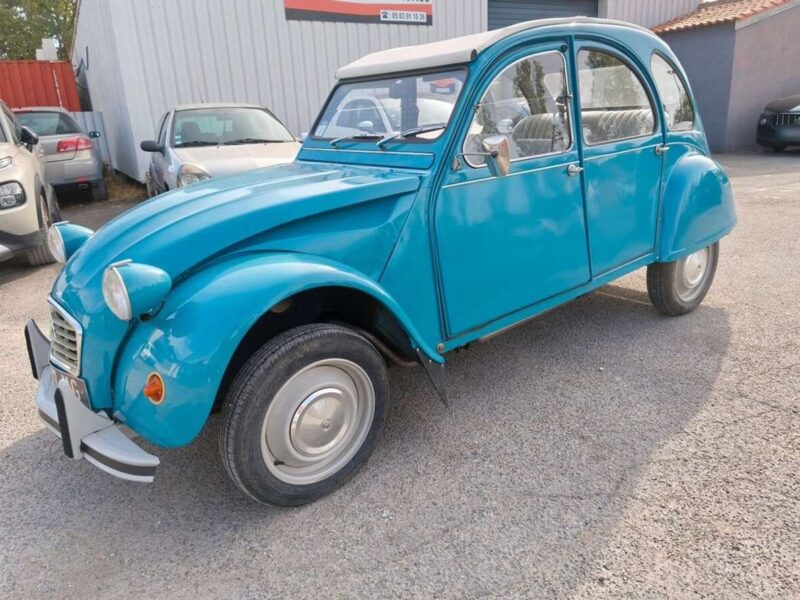
1982 Citroën 2CV6 Special
duty at rate in effect
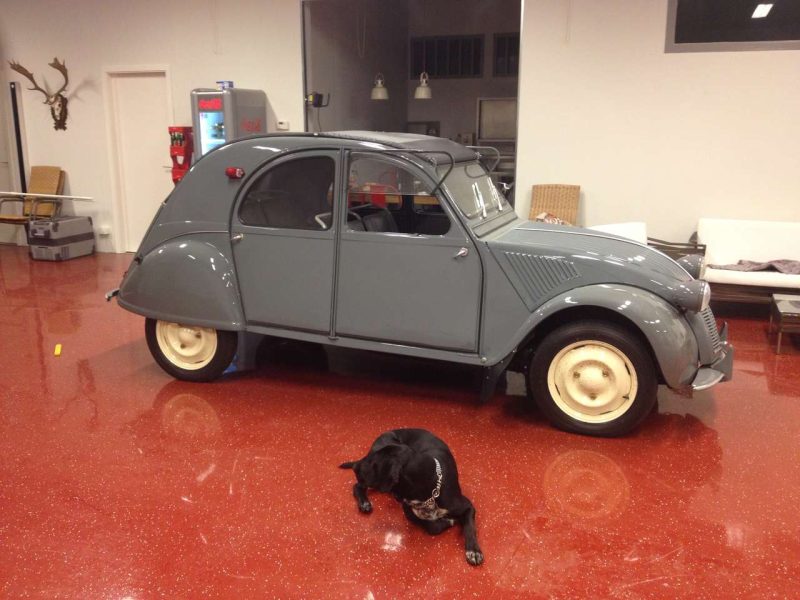
1959 Citroën 2CV
duty at rate in effect
Citroën did sell the 2CV in the United States, but barely: the cars are counted in the low hundreds across the whole period, against more than five million built worldwide. American enthusiasts generally date the end of 2CV sales there to model year 1967, and Citroën left the US market entirely in the mid-1970s. Everything that makes the 2CV famous — the 2CV6 of 1970–1990, the Charleston, the Dolly — came after America had stopped looking.
Why Americans want it
It is one of the most recognisable cars ever built and almost nobody in America has one. It is also mechanically trivial: an air-cooled flat twin, a roll-back roof, interconnected suspension that lets it cross a ploughed field, and a body you can learn to work on in an afternoon. Running costs are closer to a lawnmower than to a classic car.
What the US effectively never got
- The 2CV6 (1970–1990), the 602 cc version that most survivors are.
- The special editions: Charleston, Dolly, Beachcomber, 007.
- The late Portuguese-built cars (Mangualde, 1988–1990), generally the best-built of all.
Eligible years (25-year rule)
Every 2CV is eligible now. Production ended in July 1990.
What to look for
- The chassis, before anything else. The 2CV rots from the chassis up, and a replacement galvanised chassis is a known and accepted repair in Europe. Ask what chassis the car is on and whether it has paperwork.
- Body panels: the floors, the boot floor, the bottoms of the doors and the area under the rear seat.
- Engine: the flat twin is simple and cheap. It is not the thing that decides a 2CV’s value.
- Restoration quality: huge numbers were restored in the 1990s and 2000s, well and badly. The difference is visible underneath and nowhere else.
- Which car: a late Charleston is worth more than a plain Special, but an honest Special on a good chassis is the better buy.
Typical landed price
Europe: roughly €8,500–€15,000 for good cars. Landed at Newark or Baltimore with duty at the rate in effect on entry: roughly $19,000–$29,000.
Registration notes
- California: built after 1967, gasoline; CARB lab certification applies, not guaranteed. A pre-1968 2CV is outside that entirely.
- Fuel: gasoline.
- Title: pre-1981 cars have a short VIN, which some DMVs treat differently. US title from Salvage Motors LLC, issued from the CBP entry package.
- Speed: a 2CV6 does about 70 mph flat out. It is a town and back-road car in America, not an interstate car. That is worth knowing before you buy one.
Our take
Buy the chassis and the restoration, not the paint and not the badge. A 2CV is the cheapest genuinely characterful European classic to own in the United States, and the only way to lose money on one is to buy a pretty car with a rotten frame.
FAQ
Was the Citroën 2CV sold in the United States?
Yes, but in very small numbers, and American enthusiasts date the end of 2CV sales there to model year 1967. Citroën left the US market in the mid-1970s, so the 1970–1990 2CV6 and all the special editions were never sold there.
Is a 2CV practical in America?
In town and on back roads, yes. It is simple, cheap to run and easy to work on. It tops out around 70 mph, so it is not an interstate car.
What is the most important thing to check?
The chassis. Replacement galvanised chassis are normal in Europe; ask which one the car is on and for the paperwork.