
Citroën Méhari for sale
3 cars in stock right now, inspected in the European country where they are located, priced landed at a US port with the import paperwork done.
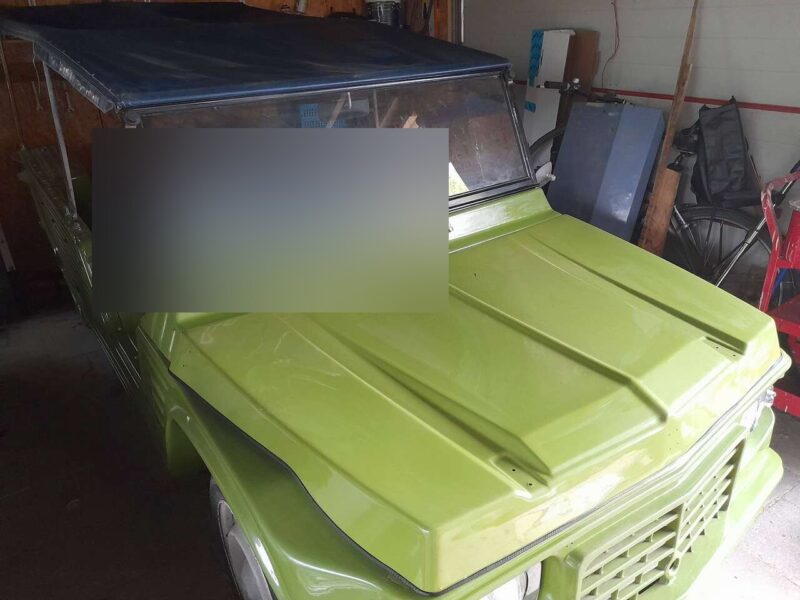
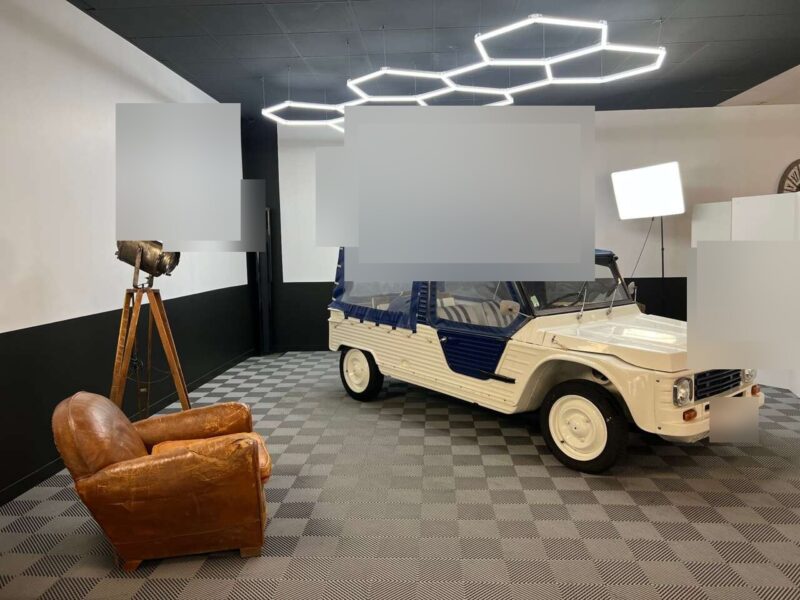
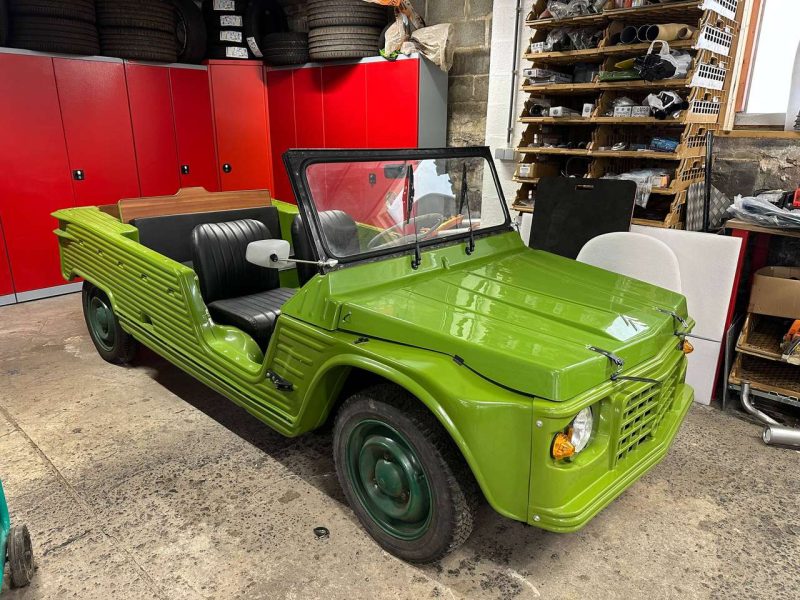
The Citroën Méhari (1968–1988) is a 2CV underneath and a moulded ABS plastic box on top: no doors worth the name, a folding windscreen, and a body that cannot rust because it is not metal. Citroën did sell it in the United States, for model years 1969 and 1970 only, where it was classified as a truck — which is how it was sold without seat belts. 144,953 were built in all, almost none of them American.
Why Americans want it
It is the French Mini Moke, and it is the rare classic that is genuinely better in the sun than in a garage. Beach towns, islands and resort use are exactly what it was built for, and there is no American equivalent that is not a golf cart.
What the US never got
- Everything after 1970 — the vast majority of production.
- The Méhari 4×4 (1979–1983), with a proper transfer case, about 1,200 built.
- The late Azur and special editions.
Eligible years (25-year rule)
Every Méhari is eligible now. Production ended in 1988.
What to look for
- The chassis. The body does not rust; the frame underneath absolutely does, and it is hidden by the plastic. This is the whole inspection.
- The plastic itself: ABS goes brittle and chalky with decades of UV. Cracks at the mounting points and around the rear are common and panels are specific.
- Completeness: the hood, the side screens and the seats go missing on a car that lives outdoors. Trim is scarce and expensive.
- 4×4 claims: the genuine 4×4 is rare and documented. Verify before paying the premium.
- Mechanicals: 2CV flat twin, cheap and simple. Not where the money goes.
Typical landed price
Europe: roughly €9,500–€26,000, the top of the range being exceptional or 4×4 cars. Landed at Newark or Baltimore with duty at the rate in effect on entry: roughly $21,000–$44,500.
Registration notes
- Classification: Citroën sold the Méhari in America as a truck for federal safety purposes. That was a 1969 safety classification, not a customs ruling — the tariff classification of an imported Méhari today is a question for the customs broker on the entry, and it matters, because passenger cars and goods vehicles are not dutied at the same rate. We settle it before shipping.
- California: built after 1967, gasoline; CARB lab certification applies, not guaranteed.
- Title: short VIN on most cars. US title from Salvage Motors LLC, from the CBP entry package.
- Equipment: the car was built without the safety equipment Americans expect. At 25 years old it enters as built, but check your state’s inspection rules if it has them.
Our take
Look underneath, not at the body. A tired-looking Méhari on a sound frame is a good buy; a smart one hiding a rotten chassis is a restoration you did not plan.
FAQ
Was the Citroën Méhari sold in the United States?
Yes, for model years 1969 and 1970 only, classified as a truck, which allowed it to be sold without seat belts. Everything built afterwards — almost all of the 144,953 cars — was never sold there.
Does the body rust?
No. The body is moulded ABS plastic. The steel chassis underneath does rust, and it is hidden, which is why it is the one thing to inspect.
Is there a four-wheel-drive Méhari?
Yes, built 1979–1983 in roughly 1,200 examples. It is rare, documented, and worth considerably more — verify any claim before paying for it.