
Audi Quattro for sale
4 cars in stock right now, inspected in the European country where they are located, priced landed at a US port with the import paperwork done.
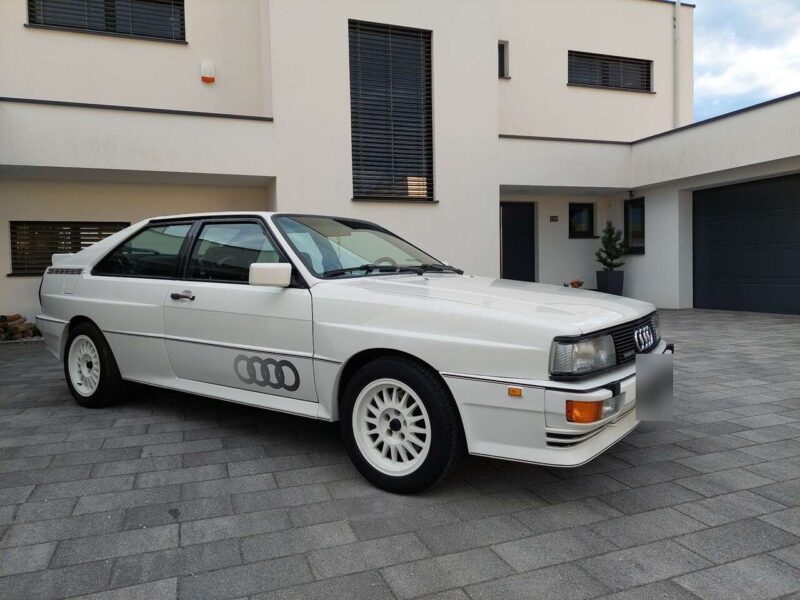
1986 Audi Quattro 2.1
duty at rate in effect
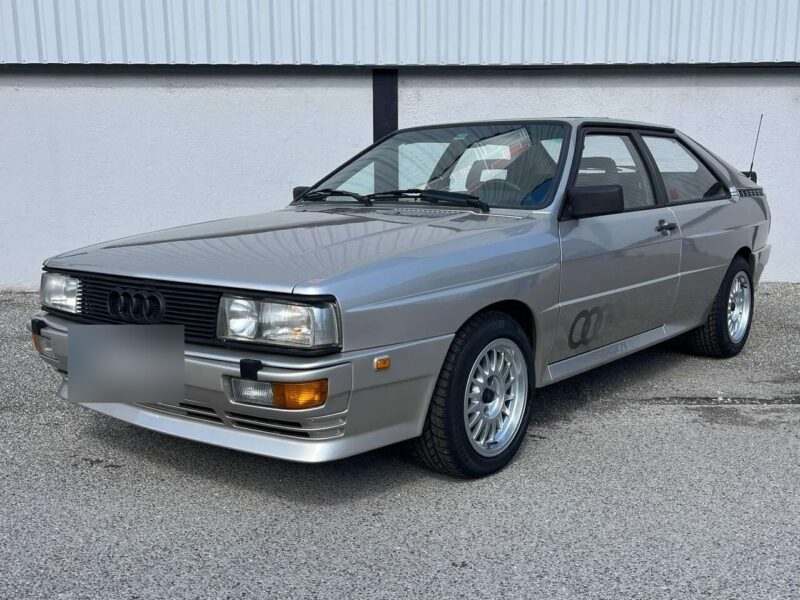
1985 Audi Quattro 2.1
duty at rate in effect
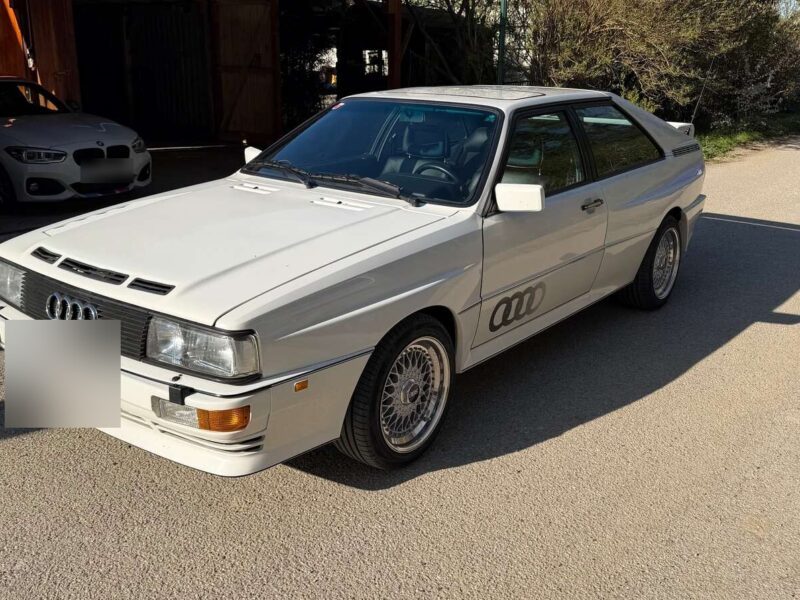
1985 Audi Quattro
duty at rate in effect
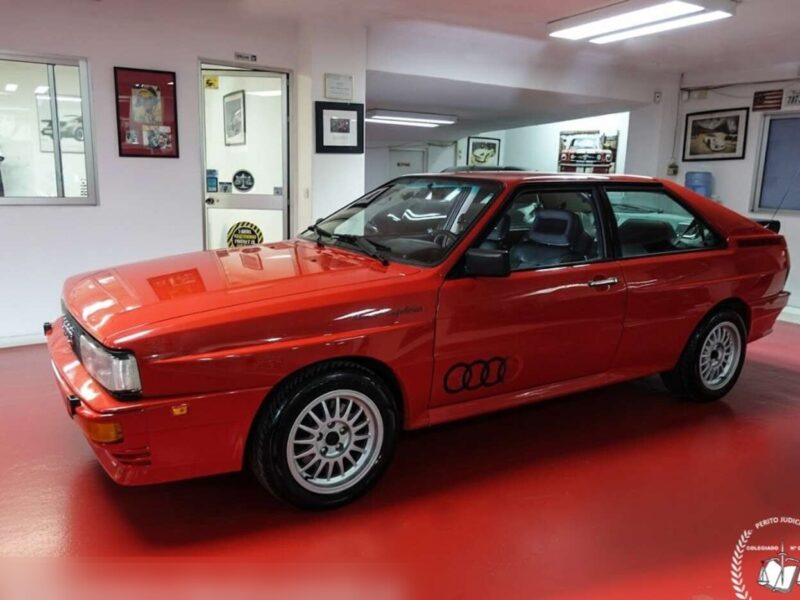
1984 Audi Quattro
duty at rate in effect
Audi did sell the Quattro in the United States, from 1983 to 1986, and that is exactly why the European car is worth importing. The US version was detuned to 160 hp to meet emissions, and it left the range in 1986. Europe kept the car until 1991: the 200 hp 2.1 turbo throughout, then the 20V of 220 hp with a Torsen centre differential. None of that was federalised.
Why Americans want it
The Ur-quattro is the car that made four-wheel drive normal, and the US-market cars are both scarce (fewer than 700 sold) and slower. A European 200 hp car with the right gearbox is the one enthusiasts actually want, and it costs less than a good US example.
What the US never got
- Full-power 200 hp WR and MB engines — the US WX was 160 hp.
- The 20V (RR), 1989–1991, 220 hp, Torsen centre differential, the last and best Ur-quattro.
- Post-1986 cars entirely, including the facelift with the one-piece grille.
- The Sport quattro, 1984–1986, 214 built, none sold in America.
Eligible years (25-year rule)
Every Ur-quattro is eligible now. Production ended in May 1991.
What to look for
- Rust: the rear arches, the sills, the front strut towers and the battery tray. This is a 1980s Audi and it rusts.
- Which engine: WR (early 200 hp), MB (hydraulic lifters), RR (20V). The 20V is worth a large premium and is routinely misrepresented.
- Differential locks: early cars use cables, later ones vacuum. Both fail and both are fixable; test them.
- Electrics: the digital dash and the climate control are period Audi and are a known source of grief.
- Identity: check that a car sold as a 20V really is one — engine code, VIN and documents, not badges.
Typical landed price
Europe: roughly €53,000–€70,000 for sound 200 hp cars, more for a documented 20V. Landed at Newark or Baltimore with duty at the rate in effect on entry: roughly $84,000–$109,500.
Registration notes
- California: built after 1967, gasoline; CARB lab certification applies, not guaranteed.
- Fuel: gasoline.
- Title: pre-1981 cars have a short VIN; from 1981 the 17-character VIN applies and decodes normally. US title from Salvage Motors LLC.
- Note: because US-market Quattros exist, some DMVs will try to match the car to a US record. The CBP package establishes it as a European import.
Our take
If the point is to own an Ur-quattro, a European 200 hp car is both better and cheaper than a US 160 hp one. If the point is originality in an American collection, that argument runs the other way — but there are only a few hundred of those cars, and they are not for sale.
FAQ
Was the Audi Quattro sold in the United States?
Yes, from 1983 to 1986, in a detuned 160 hp form, in small numbers. The 200 hp European cars, the facelift and the 20V were never sold there.
What is the 20V?
The final Ur-quattro, 1989–1991, with a 20-valve 2.2-litre turbo of 220 hp and a Torsen centre differential. It is the most valuable version and the most often misrepresented.
Is it eligible for import?
Yes. Production ended in 1991, so every Ur-quattro is past 25 years.